
What SEO Means to Me
SEO is often reduced to rankings, keywords and traffic.
But at its core, search engine optimization is about something more fundamental: making information easier to find, easier to understand and easier to trust.
A good SEO strategy connects people with the information they are looking for. It helps search engines understand the structure and meaning of a website. It creates clarity around topics, expertise, authorship and relevance.
For me, SEO sits at the intersection of content, technology, language, user behavior and digital authority.
It is not only about appearing in search results.
It is about becoming a recognizable and reliable source within a specific field.
All my SEO Expertise Areas
SEO is not one single discipline. It connects content, technology, structure, authority, user behavior and increasingly AI-driven discovery.
This section gives an overview of the SEO areas I specialize in, study and build around — each one forming part of a larger search visibility system.
Technical SEO >>>
International SEO >>>
Content SEO >>>
AI Search / GEO >>>
Entity SEO >>>
The SEO Visibility Framework
Search visibility is not improved just by one single tactic. A good SEO expert should know that. Visibility grows when several layers work together: understanding search intent, creating useful content, building a clear technical foundation, strengthening authority and making expertise easier to interpret for both search engines and AI systems.
Search Intent
What it does
Identifies what people actually want to know, solve, compare or decide when they search.
Why it matters
Without search intent, SEO becomes guesswork. Intent gives content direction and relevance.
How it supports the next layer
It turns raw keywords into clear content opportunities, page types and topic priorities.
Content
What it does
Transforms search intent into articles, landing pages, guides, FAQs, expertise pages and topic hubs.
Why it matters
Content is where relevance becomes visible to users, search engines and AI systems.
How it supports the next layer
Strong content gives the technical layer meaningful information to structure, crawl and interpret.
Technical Foundation
What it does
Improves crawlability, indexability, metadata, internal linking, performance, accessibility and structured data.
Why it matters
Even useful content can underperform if search systems cannot access, understand or evaluate it properly.
How it supports the next layer
Technical clarity makes authority signals easier to connect with the right pages, topics and entities.
Authority
What it does
Builds credibility through authorship, references, publications, mentions, links and topical depth.
Why it matters
Search visibility depends not only on relevance, but also on whether a source appears trustworthy.
How it supports the next layer
Authority strengthens entity recognition by connecting expertise with external validation and consistent signals.
Entity Clarity
What it does
Helps search systems understand who or what is behind the content: a person, brand, organization, topic or work.
Why it matters
Search increasingly works with entities, relationships and context — not only isolated keywords.
How it supports the next layer
Clear entities make it easier for AI systems to summarize, connect and reference expertise accurately.
AI Search Readiness
What it does
Structures content so it is easier to interpret, summarize, verify and connect in AI-driven search environments.
Why it matters
Search is becoming more answer-driven, which increases the value of clarity, source quality and structured context.
How it supports the outcome
AI-ready content can expand discoverability beyond classic rankings into summaries, citations and recommendations.
Visibility, Trust & Qualified Leads
What it creates
More discoverability across search engines, AI systems and the wider digital landscape.
Why it matters
Visibility alone is not enough. The goal is to be found, understood and trusted by the right audience.
Long-term effect
When the system works together, search visibility can turn into stronger positioning, qualified traffic and lead potential.
My SEO Principles
SEO is not just about visibility. It is also about responsibility. Search engines, AI systems and users all depend on information they can trust. That is why my approach to search engine optimization is built around sustainable methods, editorial judgment, human review and long-term credibility — not shortcuts, manipulation or automated content at scale.
Clean Methods
Search visibility should not be built on manipulation.
I do not believe in black-hat SEO or black-hat GEO. That includes keyword stuffing, cloaking, doorway pages, hidden text, link schemes, fake authority signals, forced AI mentions or mass-produced pages created only to exploit search and answer systems.
Sustainable SEO and GEO should make expertise easier to understand, verify and trust — not artificially inflate visibility through shortcuts.
Human Review
Human judgment comes before automation.
AI can support research, outlines, clustering, analysis and drafts, but important content should always be reviewed by a human. Accuracy, tone, nuance, ethics, context and usefulness cannot be delegated blindly to a tool.
For me, AI-assisted search engine optimization only works when human review remains the final filter.
Editorial Instinct
Not every good SEO decision comes from a tool.
Keyword data, SERP analysis and competitor research are useful, but content SEO also requires intuition: what the reader really needs, where a topic needs more depth, which angle feels stronger and when a page actually feels complete.
Especially in content SEO, editorial instinct often decides whether a page becomes merely optimized — or genuinely useful.
Real Intent
Keywords are signals, not the strategy.
As SEO expert, I find that a search query may reveal demand, but it does not always reveal the full need behind it. Strong SEO starts by understanding what someone wants to know, compare, solve, avoid or decide.
The goal is not to place keywords into a page. The goal is to answer the right need in the right format with the right level of depth.
Accessibility
Accessibility and SEO often support the same goal.
Clear headings, readable content, meaningful links, alt text, semantic structure and usable navigation help real people. They also help machines understand content more accurately.
A website that is easier to access is often also easier to search, crawl and understand. Every SEO expert should incorporate accessibility into the daily work.
Trust
Authority is built through consistency.
Clear authorship, external profiles, publications, references, links, mentions, structured data and topic depth all help build trust. No single signal does everything, but together they create a stronger digital identity.
Trust is not something a page can simply claim. It has to be supported.
User Value
The final audience is still human.
Search engines and AI systems matter, but the content has to work for people first. A page should be readable, useful, clear and honest before it is optimized for machines.
The best SEO helps systems understand what humans already find valuable.
My SEO Blog
Search engine optimization is a constantly evolving field, shaped by search behavior, technical standards, content quality, AI systems and the way people discover information online.
In my SEO blog, I explore these developments in more depth: from practical SEO methods and content strategy to entity SEO, AI search, structured data and long-term digital visibility. The goal is not to chase every trend, but to understand what actually helps websites become clearer, more useful and easier to find.
FAQ About My Work as an SEO Expert
What does an SEO expert do?
An SEO expert focuses on how websites can become easier for search engines to find, understand, and classify. For me, this involves more than keywords and rankings. It also includes content strategy, technical structures, internal linking, authority, user experience, and the clear communication of topics and expertise.
Which areas belong to the expertise of an SEO specialist?
SEO combines several disciplines. My areas of SEO expertise include strategic SEO, technical SEO, international SEO, content SEO, entity SEO, and optimization for AI-powered search and answer systems. These areas do not operate independently. Together, they form an interconnected system for digital discoverability.
What is the difference between an SEO expert and a content writer?
A well-written text alone does not constitute a complete SEO strategy. An SEO expert also considers search intent, page structure, internal linking, indexability, metadata, technical signals, and the position of a page within a broader topic ecosystem. My journalistic background helps me combine research, editorial quality, and search engine optimization.
What role does technical SEO play?
Technical SEO creates the foundation that allows content to be crawled, indexed, and interpreted reliably. It includes areas such as website architecture, redirects, canonical tags, language versions, structured data, internal links, page speed, and accessibility. As an SEO specialist, I do not view technical optimization in isolation, but always in connection with content and user experience.
Can an SEO expert guarantee specific rankings?
I do not consider specific ranking guarantees credible. Search results are influenced by many factors, including competition, technical conditions, content quality, authority, search intent, and changes to search systems themselves. The role of an SEO specialist is therefore to improve the underlying conditions systematically and evaluate developments using reliable data.
What defines credible SEO expertise?
For me, credible SEO expertise is based on transparent methods, realistic expectations, and a clear distinction between reliable findings and assumptions. It involves human review, clean technical work, genuinely useful content, and avoiding manipulative shortcuts. Visibility should be built on real relevance, clarity, and trustworthiness.
How is artificial intelligence changing the work of SEO experts?
Artificial intelligence is expanding the scope of SEO. Content must now be understandable not only for traditional search results, but increasingly for systems that summarize, connect, and contextualize information. For this reason, I work with areas such as entity clarity, structured information, source quality, and readiness for AI-powered search alongside traditional search engine optimization. At the same time, AI is making work faster for SEO experts, because we can outsource repetitive tasks.
What is entity SEO?
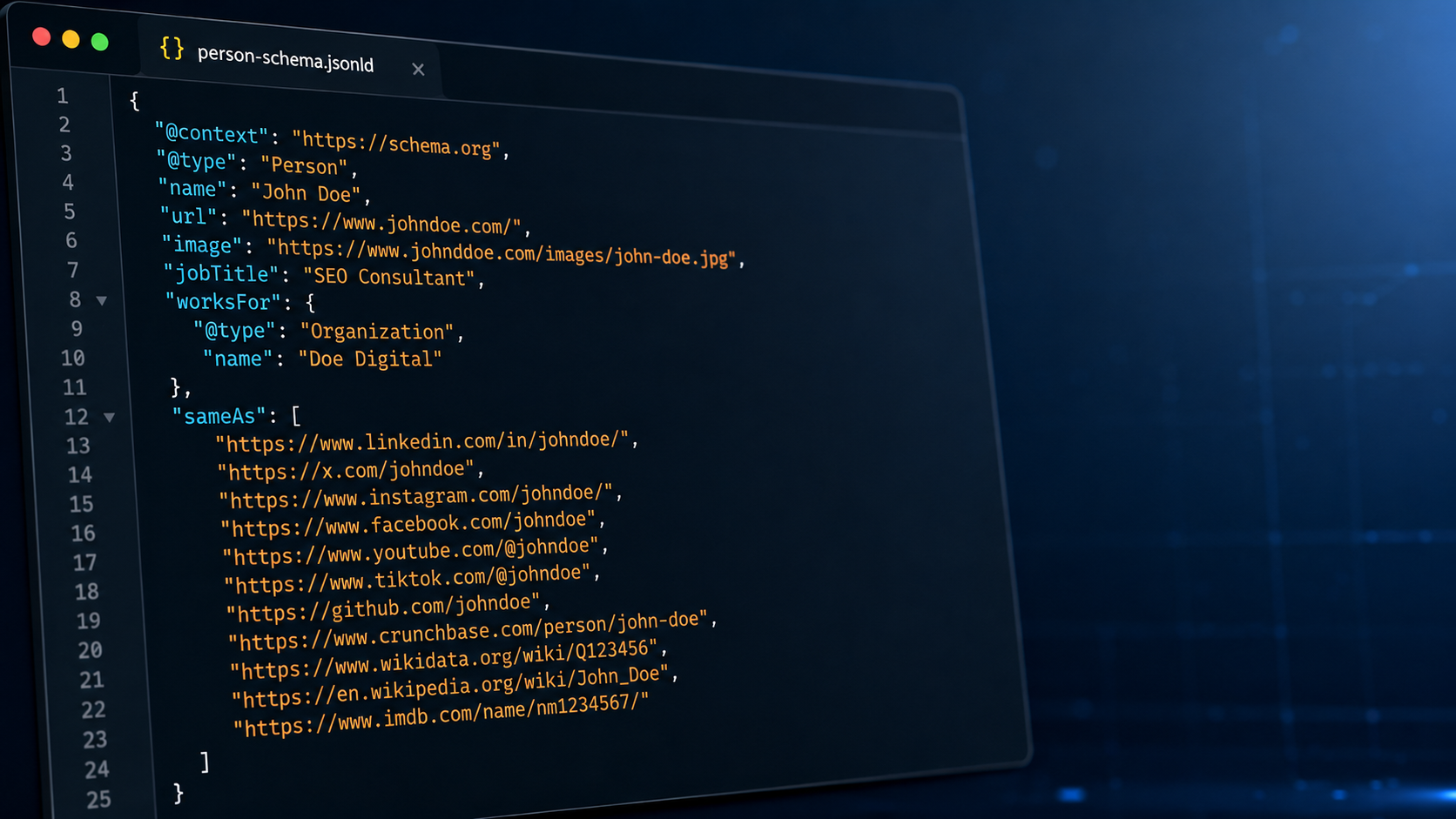
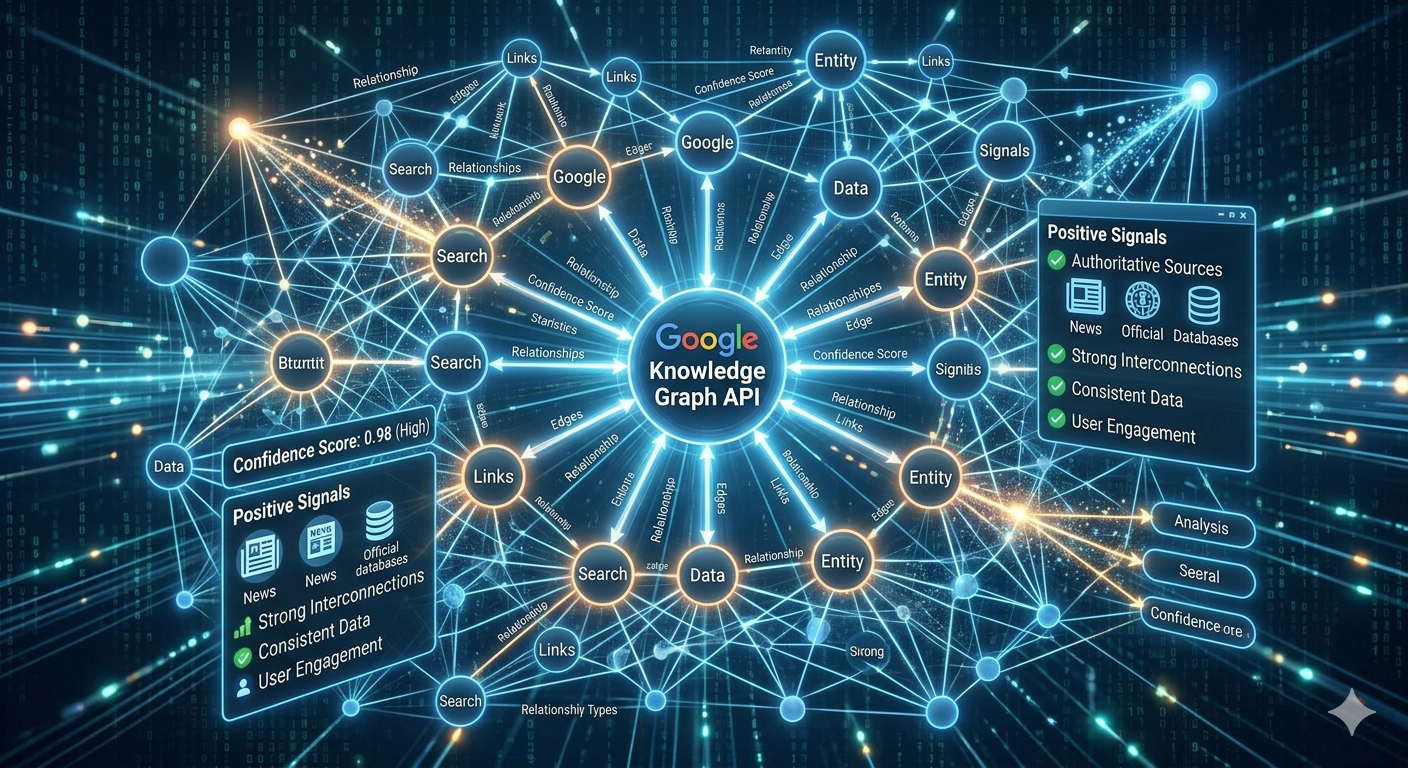
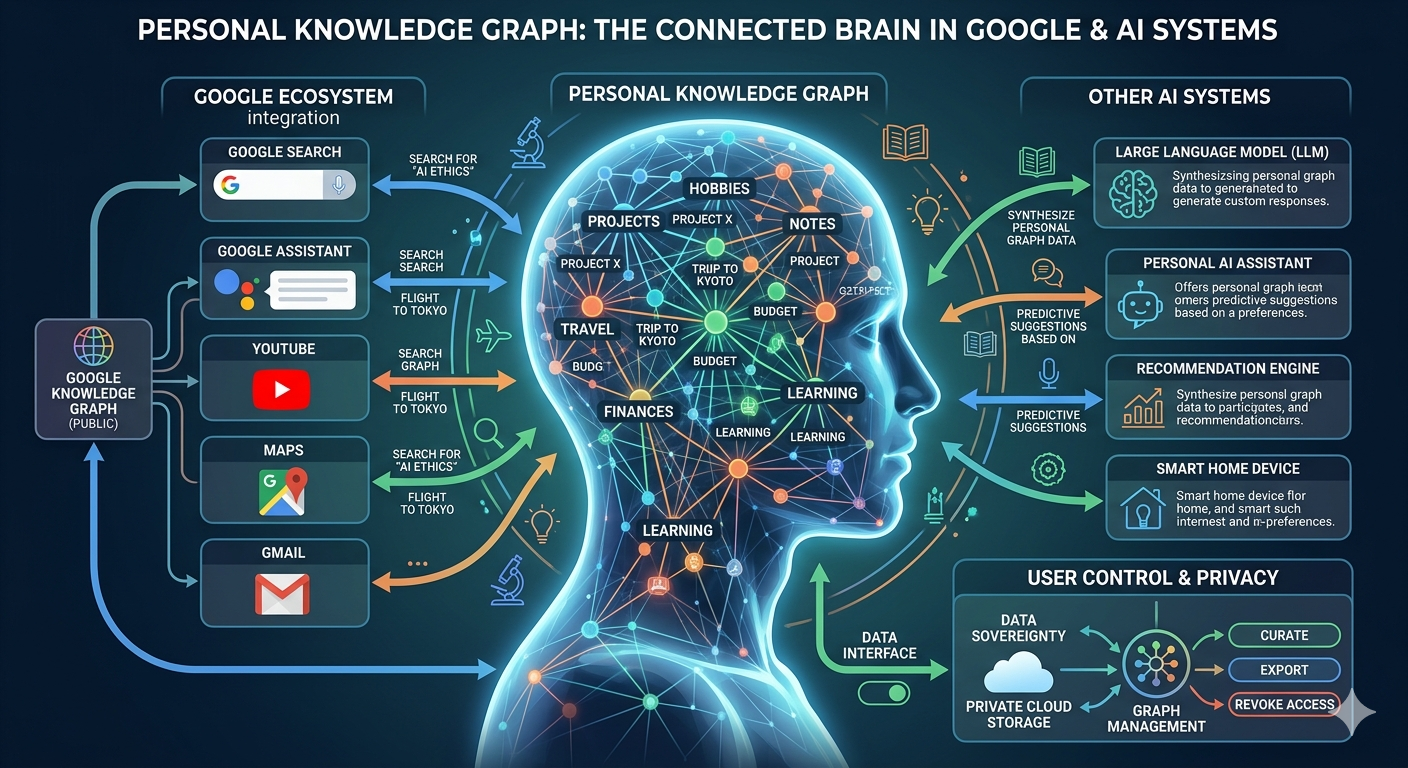
Entity SEO helps search systems understand how people, brands, organizations, topics, and publications are connected. For an SEO expert, this means optimizing more than individual keywords. It also involves building a consistent and verifiable digital identity. Authorship, external profiles, structured data, topical depth, and clear relationships between sources all contribute to this.
Which tools does an SEO specialist use?
Personally, the SEO tools I regularly work with include Google Search Console, Google Analytics 4, Semrush, Ahrefs, Screaming Frog, Sistrix, and Yoast. Tools provide valuable data and technical insights. However, actual SEO expertise lies in interpreting that information correctly, setting priorities, and turning it into meaningful decisions.
Why do you combine SEO with journalism and editorial work?
My journalistic experience strongly influences my approach as an SEO expert. Research, source evaluation, clear language, subject understanding, and the ability to structure complex information are important in both journalism and content SEO. This allows me to approach search engine optimization not only as a technical discipline, but also as an editorial responsibility.
Are SEO expert, SEO specialist, and search engine optimization specialist the same thing?
The terms SEO expert, SEO specialist, and search engine optimization specialist describe largely the same professional field. On this page, I use them to refer to a specialized understanding of search engine optimization and digital visibility. The exact job title matters less to me than demonstrable experience with content, technology, search behavior, and sustainable visibility.